



Bogushop Kendo Guide
Complete Bogu Care & Maintenance Guide: Men, Kote, Do and Tare
Learn how to properly care for and maintain your Kendo Bogu, including Men, Kote, Do and Tare. Covers drying, cleaning, storage, inspection, repairs and long-term maintenance.
The Complete Bogu Care & Maintenance Guide
A good Bogu set can provide years of practice, but sweat, salt, moisture, repeated impact and improper storage gradually damage the fabric, leather, padding and himo. Learn how to care for your Men, Kote, Do and Tare after every keiko, how to clean them safely and how to recognize problems before they become expensive repairs.
Bogu is not ordinary sports equipment
Men, Kote and Tare may combine cotton, synthetic fabric, natural indigo dye, genuine leather, Clarino, internal padding and other materials. A cleaning method that is safe for one piece may damage another. Do not automatically put Bogu into a washing machine simply because another kendoka washes theirs.
What to Do After Every Keiko
Most long-term Bogu care is not complicated. The single most important habit is to remove moisture before the equipment is packed away again.
Do not leave Bogu zipped inside the bag
After practice, the inside of the Men and Kote can contain much more moisture than they appear to from the outside. Closing them inside a Bogu bag slows evaporation and creates ideal conditions for persistent odour and mildew.
If possible, unpack the set when you return home and arrange the pieces so air can circulate around them. A normal household fan can help enormously. You do not need hot air.
Air movement matters more than heat
A fan blowing room-temperature air is generally much safer for Bogu than putting it beside a heater, radiator or hot-air vent.

✓ Good habits
- Unpack Bogu after practice.
- Open the Men and Kote to the air.
- Use a fan when humidity is high.
- Allow everything to dry completely.
- Keep the Bogu out of strong heat.
✕ Avoid
- Leaving wet Bogu sealed overnight.
- Drying it against a radiator.
- Using a hair dryer on leather.
- Leaving premium indigo Bogu in strong sun for hours.
- Putting damp Bogu into long-term storage.
Caring for the Men
The Men absorbs perspiration at the forehead, cheeks and chin while also receiving repeated strikes on the futon. Proper drying helps protect the padding, stitching, leather bindings and indigo fabric.
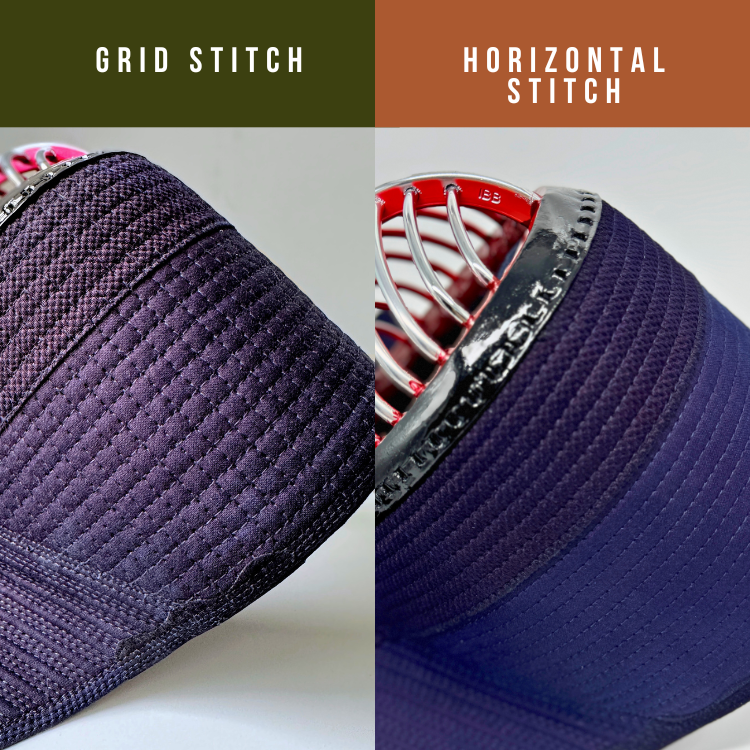
Immediately after training
Start with the areas that touch your skin. The forehead pad, cheek area and chin pad accumulate perspiration and salt very quickly.
Check the Men-gane
The metal grill normally requires very little maintenance. Remove sweat, fingerprints and dirt with a soft cloth. Check periodically for unusual movement, deformation, damaged bars or damage where the Men-gane meets the surrounding Menbuchi.
Check the Menbuchi and bindings
The rigid border around the grill and the leather or synthetic bindings should remain secure. Deep cracking, separation or serious damage around this structural area should be evaluated by an experienced Bogu repairer rather than covered with glue or tape.
Inspect the Men Himo and Chichikawa
Himo gradually soften and fray through tying and perspiration. Chichikawa also wear where the cord repeatedly pulls against them.
Replace badly frayed Men himo before they break during practice. Check that the Chichikawa remain securely attached and are not tearing around their holes.
Do not reshape Men-dare with extreme heat
Men-dare naturally soften and conform through use. Avoid soaking them and applying strong heat simply to force a particular shape. Excessive heat can affect leather, synthetic components, glue and indigo-dyed fabric.
The Kote Need More Attention Than Any Other Piece
Kote are exposed to perspiration from the hands, friction from the Shinai and direct strikes. The palm — tenouchi — is usually one of the first parts of a Bogu set to wear out.
Open and dry them after every practice
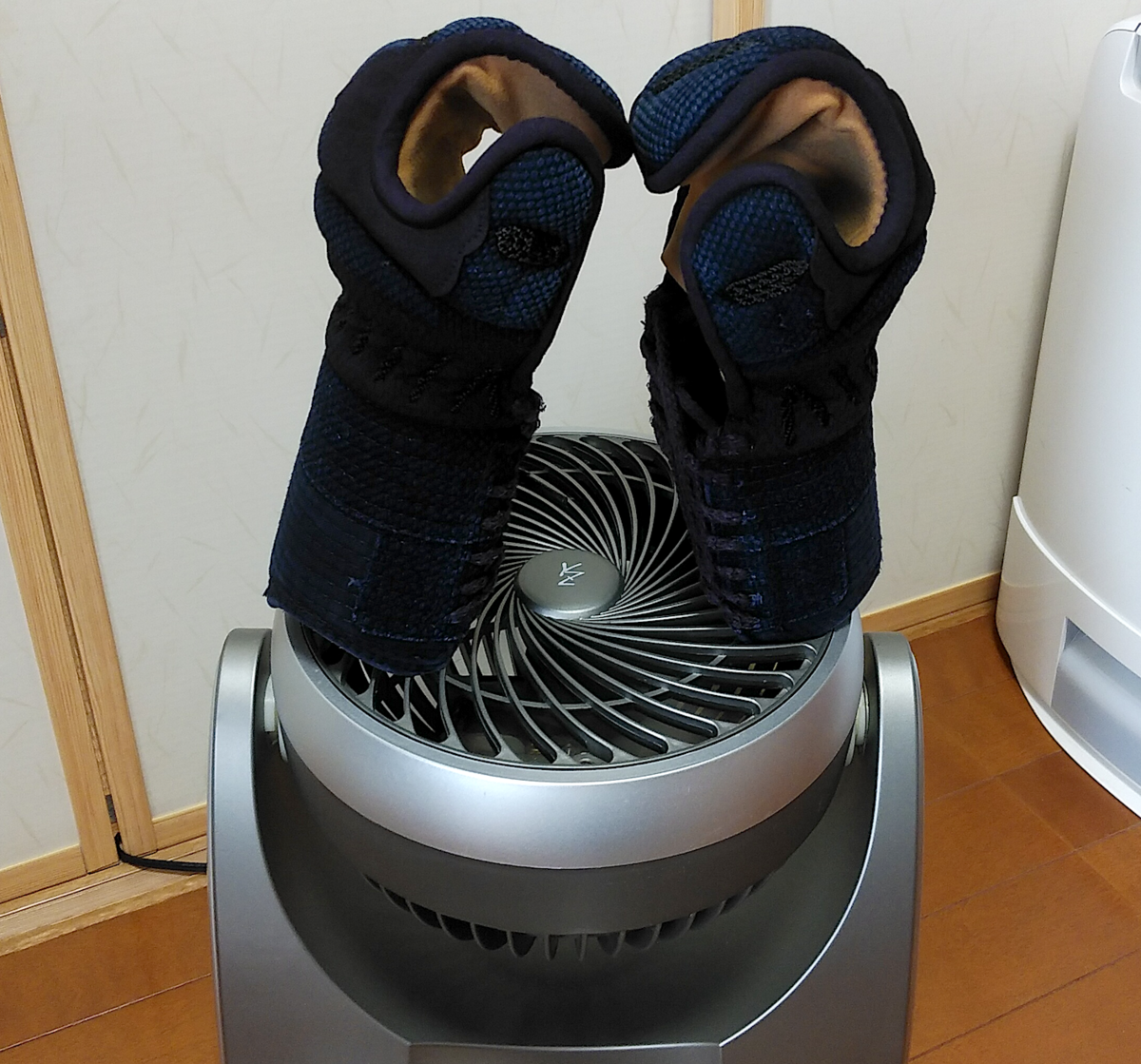
Kote are difficult to dry because moisture becomes trapped deep inside the fist and padding. Stand or hang them so air enters through the wrist opening.
A fan is particularly useful after summer keiko or multi-day seminars when the Kote have only a short period to dry.
Smooth the palm before it dries
After practice, gently spread the tenouchi back into its natural shape. Do not leave the palm balled up with deep wrinkles while wet.
Natural leather can become stiff as it repeatedly absorbs and releases moisture. Manipulating the palm gently while it finishes drying helps keep it comfortable.
Keep fingernails trimmed
Fingernails rubbing against the inside of a thin tenouchi can create small cuts from the inside. Keeping nails short is a surprisingly useful way of extending Kote palm life.
Watch the Tenouchi closely
Do not ignore a small palm hole
A tiny tenouchi hole can become a large tear very quickly because every Shinai grip places stress around its edge. Early patching is much easier and less expensive than waiting until the entire palm needs replacement.
Caring for the Do
The Do does not absorb perspiration like the Men or Kote, but its Mune, leather fittings, himo and surface still need attention.
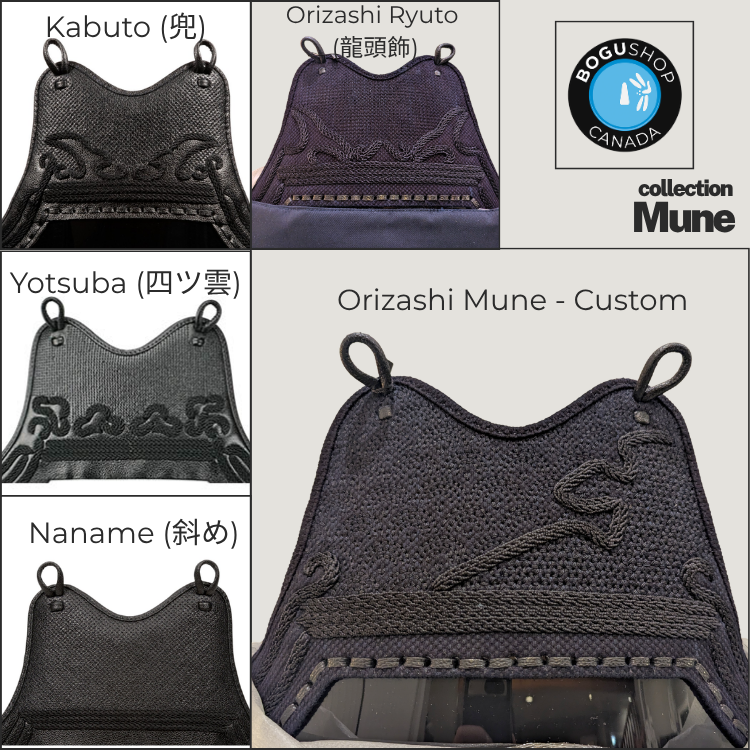
Wipe the inside after heavy practice
Perspiration can reach the inner surface of the Do and the lower edge of the Mune. Wipe moisture away rather than packing the Do while it is still wet.
Clean the Do-dai gently
For ordinary dust and fingerprints, start with a soft cloth. A slightly damp cloth is normally sufficient for a synthetic Do-dai.
Avoid abrasive household cleaners, polishing compounds, solvents or rough pads. They can turn a small mark into permanent scratching or a dull patch.
Be more careful with decorative finishes
Lacquered, specialty-finish and traditional bamboo-style Do can require different treatment from a simple synthetic Do. When in doubt, use the least aggressive cleaning method and ask the seller or maker.
Inspect all six attachment points
The Do himo place repeated pulling force on the Chichikawa. Periodically inspect both upper attachment points and the four side attachment points.
Replace Chichikawa that are badly cracked, stretched or close to tearing. A broken attachment during practice is inconvenient and can cause the Do to shift unexpectedly.
Himo are replaceable maintenance items
Do not wait for a Do himo to break completely. If the cord is heavily frayed or no longer ties securely, replace it.
Caring for the Tare
The Tare is often neglected because it does not become as obviously wet as the Kote or Men. Its Hara-obi, however, sits tightly around the abdomen and absorbs considerable perspiration.
Open it after keiko
Untie and straighten the Tare himo rather than leaving everything compressed in the shape it had while being worn.
Expose the inner side of the Hara-obi to the air. This upper belt section is normally the wettest part.
Remove surface sweat
A clean damp cloth can be used to remove fresh perspiration and salt marks. Work gently with the direction of the fabric and stitching rather than aggressively scrubbing.
Keep the O-dare flat
The large protective flaps should not remain crushed or sharply bent inside an overfilled Bogu bag. Straighten them when packing the set.
Remove the Zekken when drying
If the Tare is significantly damp, removing the Zekken allows more air to reach the centre O-dare underneath it.

Decorative Kazari need gentle treatment
Raised decorative stitching can catch on rough brushes and abrasive materials. Clean in the direction of the construction rather than repeatedly scrubbing sideways across it.
Can You Wash Bogu?
Sometimes — but this is where maintenance advice needs to become material-specific. Modern washable Bogu exists. Traditional Bogu and premium leather equipment may require much more careful treatment.
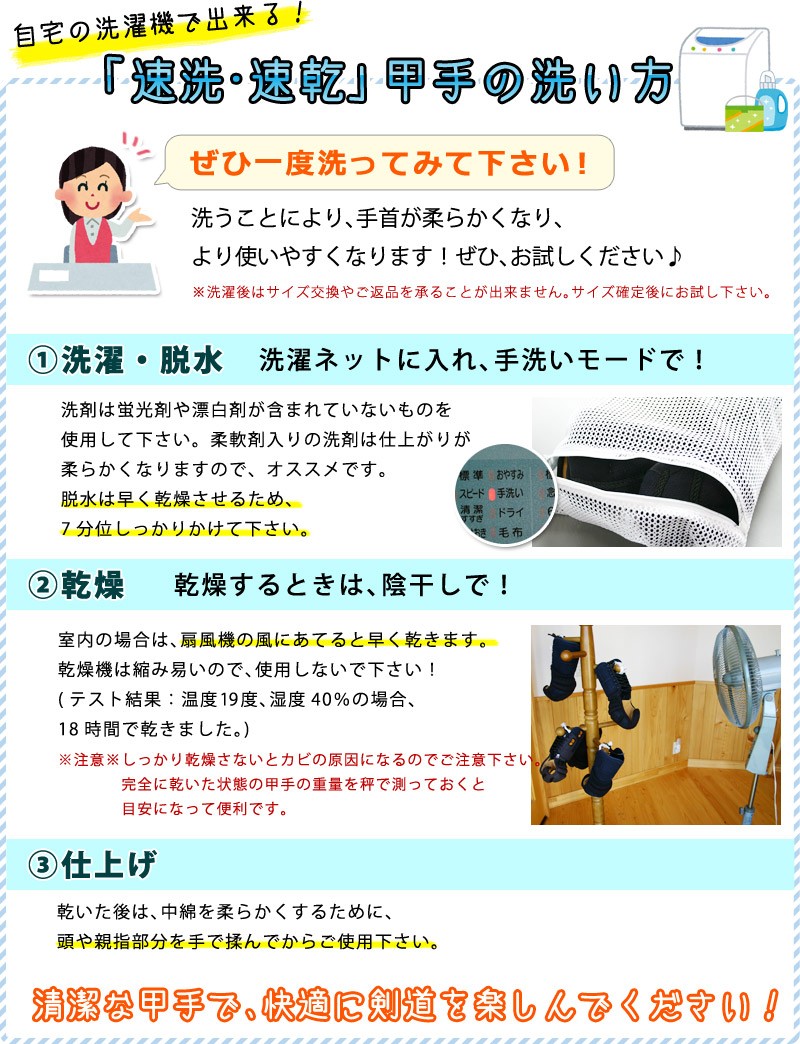
First ask one question: is this Bogu designed to be washed?
Some modern Bogu uses synthetic leather, Orizashi fabric, quick-drying padding and construction intended for easier cleaning. Other sets contain natural deer leather, traditional indigo fabric or internal materials that need greater care.
When in doubt, clean locally
Instead of submerging an entire piece, clean the sweaty contact areas with a damp cloth or sponge and allow them to dry thoroughly.
For expensive or hand-stitched Bogu
Before doing a full wash, contact the retailer, manufacturer or experienced Bogu repairer. This is particularly sensible for premium deer-leather equipment, hand-stitched Bogu and older equipment whose internal condition is unknown.
| Cleaning action | Generally appropriate? | Important note |
|---|---|---|
| Air drying after every keiko | Yes | Basic care for virtually all Bogu. |
| Damp-cloth spot cleaning | Usually | Use gently and dry completely afterward. |
| Fan drying | Yes | Use normal room-temperature airflow. |
| Hand washing | Material dependent | Confirm construction first. |
| Washing machine | Only when suitable | Best reserved for equipment specifically described as washable. |
| Tumble dryer | Avoid | Heat can damage leather, padding and shape. |
| Radiator / heater | Avoid | Rapid heat can harden or damage materials. |
| Strong bleach | Avoid | Can attack indigo, fabric and leather. |
“Washable Kote” does not mean “all Kote are washable”
This distinction is particularly important when comparing Clarino/Orizashi practice equipment with premium Kote using genuine deer-leather palms and natural indigo materials.
Salt Marks, Odour and Mould
Bogu usually develops problems gradually. Strong odour, white marks and persistent dampness are signals that normal drying and cleaning need attention.
White marks on the fabric
White or pale marks on the Men, Kote or Tare are commonly caused by minerals and salt left behind after perspiration evaporates.
Rather than repeatedly brushing dry salt deeper into the fabric, use a clean damp cloth or sponge to loosen and remove it, then dry the area completely.
Persistent odour
Fragrance alone does not clean Bogu. If the equipment still smells strongly after drying, concentrate on physically removing sweat residue from the areas touching your skin.
Mould
Visible mould means the equipment has remained damp for too long. Remove it from the Bogu bag and keep it separated from clean equipment.
Minor surface contamination may sometimes be cleaned, but extensive mould in thick padding or leather deserves professional assessment. Simply spraying perfume over mould does not solve the problem.

Be cautious with disinfectants
Alcohol, peroxide, bleach, leather cleaners and household disinfectants can interact differently with natural leather, Clarino, indigo dye and lacquer. Do not assume a product that is safe on one Bogu is safe on another. Spot-test first or follow the Bogu manufacturer's instructions.
Inspect Your Bogu Before Damage Becomes Expensive
Bogu is repairable. A loose cord, tiny palm hole or damaged binding often costs much less to correct when it is caught early.
Men
- Frayed or damaged himo
- Worn Chichikawa
- Loose stitching around Men-dare
- Damage around the Menbuchi
- Unusual Men-gane movement or deformation
Kote
- Thin or torn Tenouchi
- Loose Kote himo
- Opened seams
- Flattened or displaced padding
- Damage around the thumb and fist
Do
- Cracked or stretched Chichikawa
- Frayed himo
- Loose Mune stitching
- Cracks or serious damage to the Do-dai
Tare
- Loose edge binding
- Damaged decorative stitching
- Frayed himo
- Seams beginning to separate
Repair or replace?
Small Kote palm hole
A small tenouchi hole can often be patched before it spreads.
Worn Himo
Men and Do himo are replaceable and should be treated as normal maintenance items.
Damaged Chichikawa
Attachment leather can normally be replaced before failure damages surrounding material.
Entire Kote Palm
A heavily worn Tenouchi can often be completely replaced if the rest of the Kote remains worthwhile.
Structural Men Damage
Damage around the Men-gane, Menbuchi or major protective padding should be evaluated professionally.
Major Protective Failure
Do not continue training simply because a damaged piece can still be tied on. Protection comes first.
Good Bogu can be worth repairing
Well-broken-in Kote in particular can be worth preserving. Palm replacement allows the familiar fist shape, padding and fit to remain while replacing the part that receives the most friction.
Store Bogu Dry and Without Crushing It
The Bogu bag is excellent for transportation. It is not always the best place to keep damp equipment permanently.
Pack only after drying
If the set is still damp, leave it outside the bag until it has finished drying.
Maintain the shape of the Tare
Straighten the Tare himo and O-dare. A traditional way to pack a set is to place the Tare neatly against the Do rather than stuffing it randomly inside.
Protect the Kote palms
Smooth the Tenouchi before placing the Kote inside the Do. Do not crush heavy objects directly into the palm.
Do not load the Men-gane carelessly
Avoid throwing heavy items directly onto the Men or using it as a container for unrelated hard objects during travel.
Long-term storage
Store Bogu in a dry area with reasonable airflow. Basements, garages and closed spaces with high humidity greatly increase the risk of mould.
Travelling after a tournament?
Sometimes wet Bogu has to go into the bag temporarily. That is unavoidable. The important part is to unpack it again as soon as you reach the hotel or home rather than leaving it sealed until the next practice.
A Simple Bogu Maintenance Routine
You do not need to constantly deep-clean your Bogu. Consistent drying, light cleaning and inspection do most of the work.
Dry
- Unpack the set
- Remove Tenugui
- Open Men and Kote
- Expose damp surfaces
- Use airflow
Clean
- Remove sweat residue
- Wipe salt marks
- Clean Do surface
- Straighten Kote palms
- Clean Tare Hara-obi
Inspect
- Kote Tenouchi
- Men and Do Himo
- Chichikawa
- Bindings and seams
- Protective padding
Repair
- Patch small holes
- Replace worn Himo
- Replace Chichikawa
- Repair opened seams
- Seek help for structural damage
Deep clean
- Only when needed
- Identify materials first
- Confirm washability
- Rinse thoroughly if washing
- Dry completely
Prepare
- Everything completely dry
- Palms smooth
- Himo untangled
- Tare straight
- Store somewhere dry
Bogu Maintenance FAQ
Should I take my Bogu out of the bag after every practice?
Yes. Men and Kote in particular retain a surprising amount of moisture. Airing them after every keiko is one of the most useful things you can do to extend their life.
Can I dry Bogu outside in the sun?
Shade with good ventilation is the safest general method. Prolonged strong sunlight can fade indigo and dry natural leather excessively. Some practitioners use very brief sun exposure for specific purposes, but it should not replace normal shade drying.
Can I put Kote in the washing machine?
Only if the manufacturer or retailer indicates that the particular Kote are suitable for washing that way. Some modern synthetic Kote are designed to be washable. Traditional or premium leather Kote should not automatically be treated the same way.
Can I wash my Men?
Experienced Bogu specialists do wash certain Men, but a Men contains several different materials and the Menbuchi/ Men-gane area requires particular care. For normal maintenance, regular airing and targeted cleaning of sweat-contact areas is much lower risk. Ask your supplier before fully washing expensive or unfamiliar Bogu.
Why does my Bogu have white marks?
They are often perspiration salts left behind when moisture evaporates. A clean damp cloth or sponge can be used to loosen the residue before the equipment is dried again.
Why do my Kote smell so much more than the other pieces?
The hand produces perspiration inside a relatively enclosed padded glove. The thick fist and palm area also dries more slowly than the outer surfaces of the Do or Tare.
Can a hole in the Kote palm be repaired?
Yes. Small holes can often be patched, while badly worn Tenouchi can sometimes be completely replaced. Repair early: a small hole usually grows quickly once the Shinai repeatedly rubs against it.
Should I put leather conditioner on my Kote?
Do not automatically use ordinary shoe or furniture leather products. Tenouchi leather needs a specific feel and grip, and some Bogu uses synthetic rather than natural leather. Follow the advice for the material used in your Kote.
How often should Bogu be deep cleaned?
There is no fixed schedule. A practitioner who dries and lightly cleans the Bogu after every keiko may rarely require aggressive cleaning. Climate, training frequency, perspiration and equipment construction all affect the answer.
Is faded indigo a sign that my Bogu is ruined?
No. Natural indigo gradually changes through use, friction, perspiration and cleaning. Colour change alone is very different from structural wear such as torn stitching, cracked leather or failed padding.
If you remember only four things
1. Never leave wet Bogu sealed in the bag.
2. Dry it with airflow rather than strong heat.
3. Inspect Kote palms, Himo and Chichikawa regularly.
4. Never assume every piece of Bogu can be washed the same way.
Continue learning about your Kendo equipment
See our Complete Shinai Maintenance Guide and explore the Bogushop Bogu Collection .
Customer Service

Incorporated in 2007, Bogushop has been providing quality Kendo equipment all around the world ever since. Read More
Contact Us
Please call us by:
Phone: (604)303-0033
Email: customercare@bogushop.com
In Person: Book an appointment
Connect with Us

