



The Complete Bogu Guide
Learn how stitching, padding, materials, fit and component design change protection, mobility, durability and appearance across Men, Kote, Do and Tare.
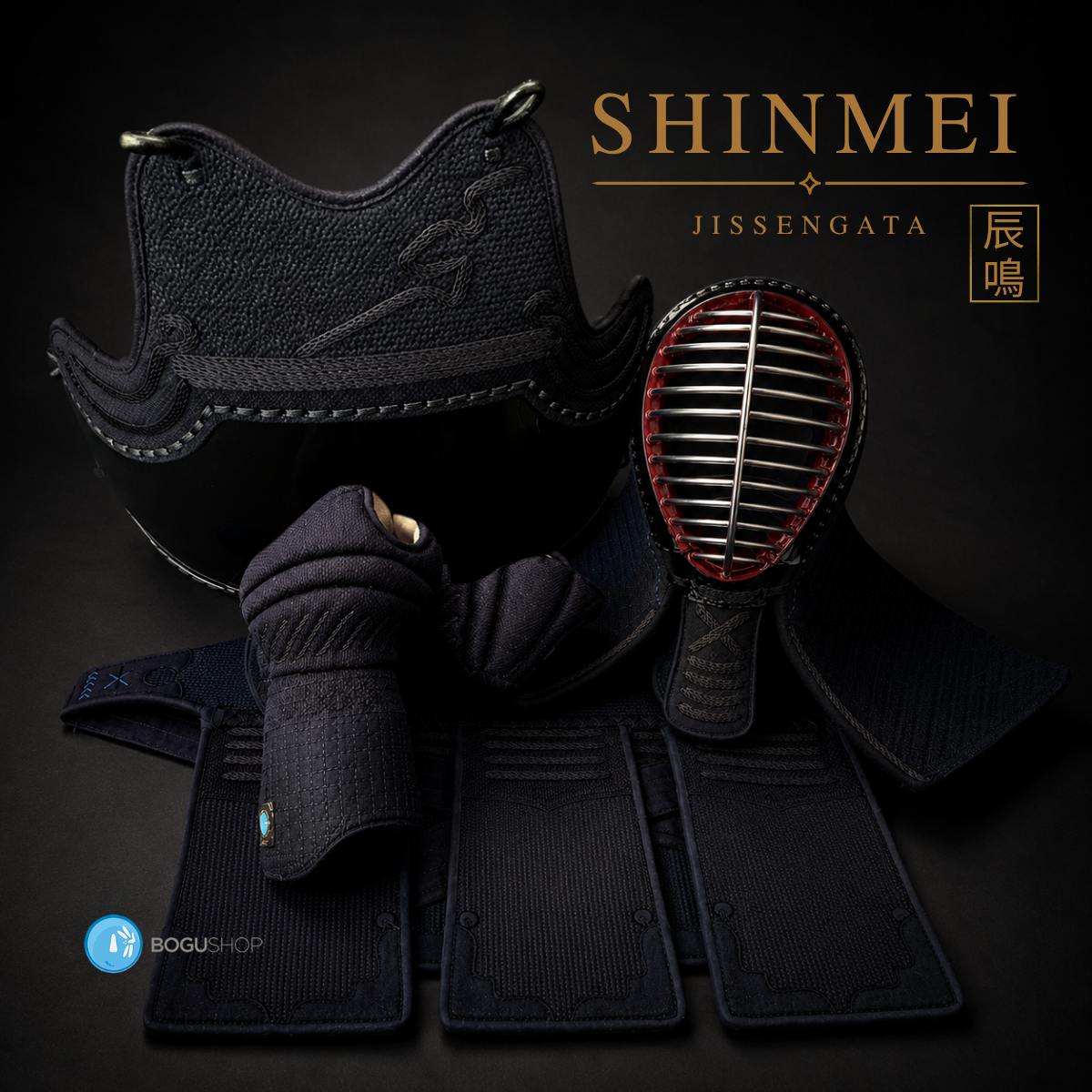 Four pieces, one protective system
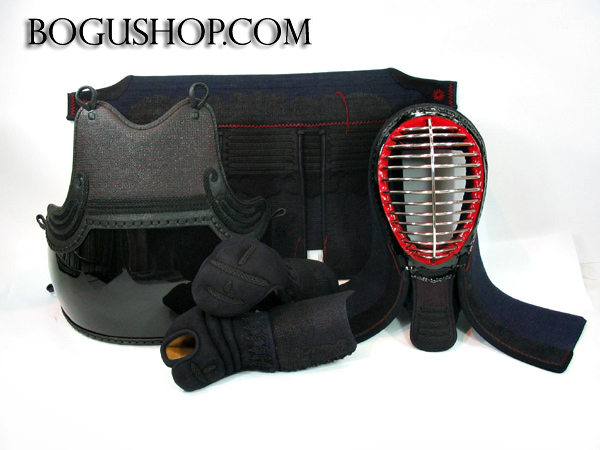
The Four Pieces of Bogu
Each component protects a different target area. A good set works together: the Men and Kote receive direct strikes, the Do shields the torso, and the Tare protects the waist while supporting the name tag.
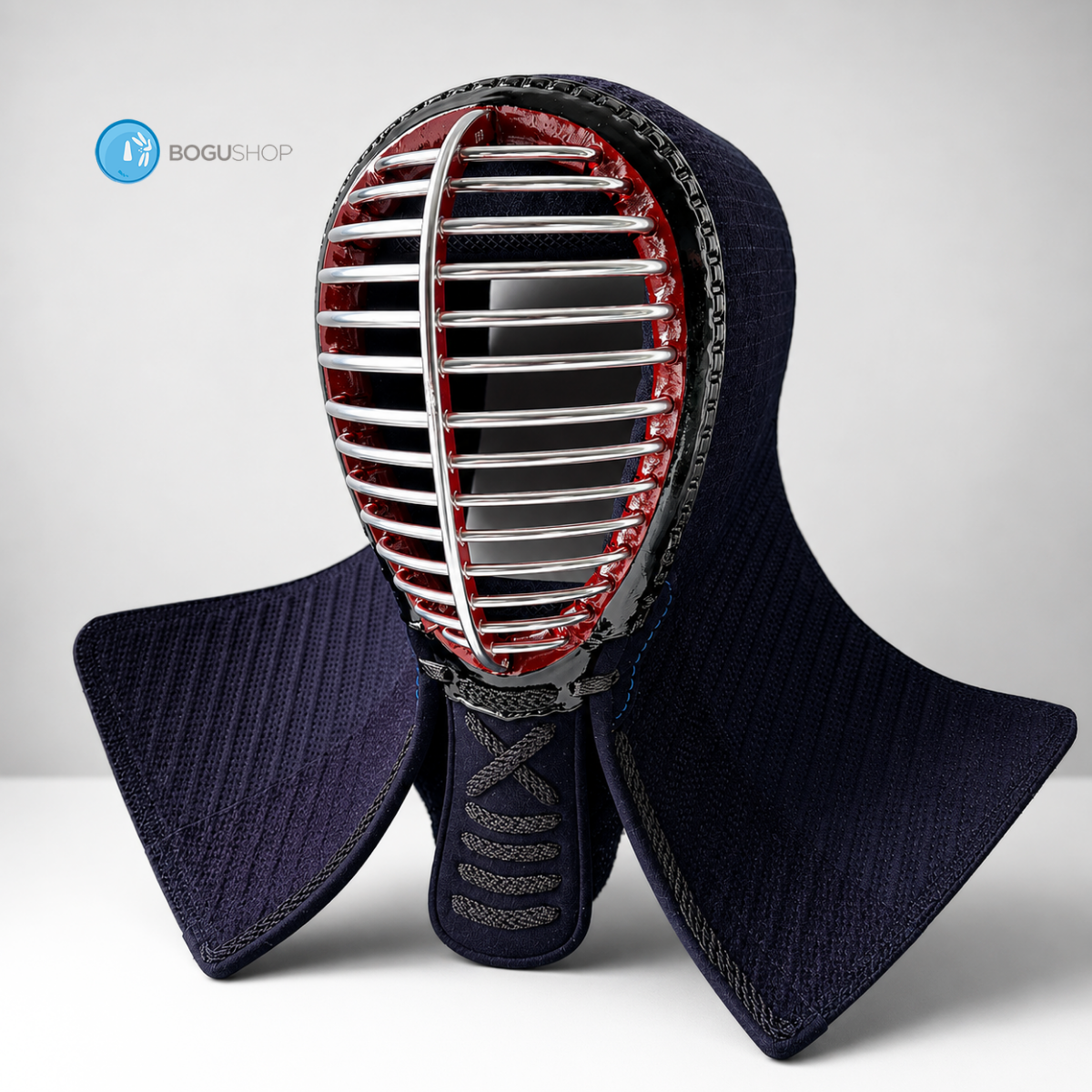
Men
The Men combines a padded futon, metal face grille, face cushion and throat protector. Fit and top padding are critical.
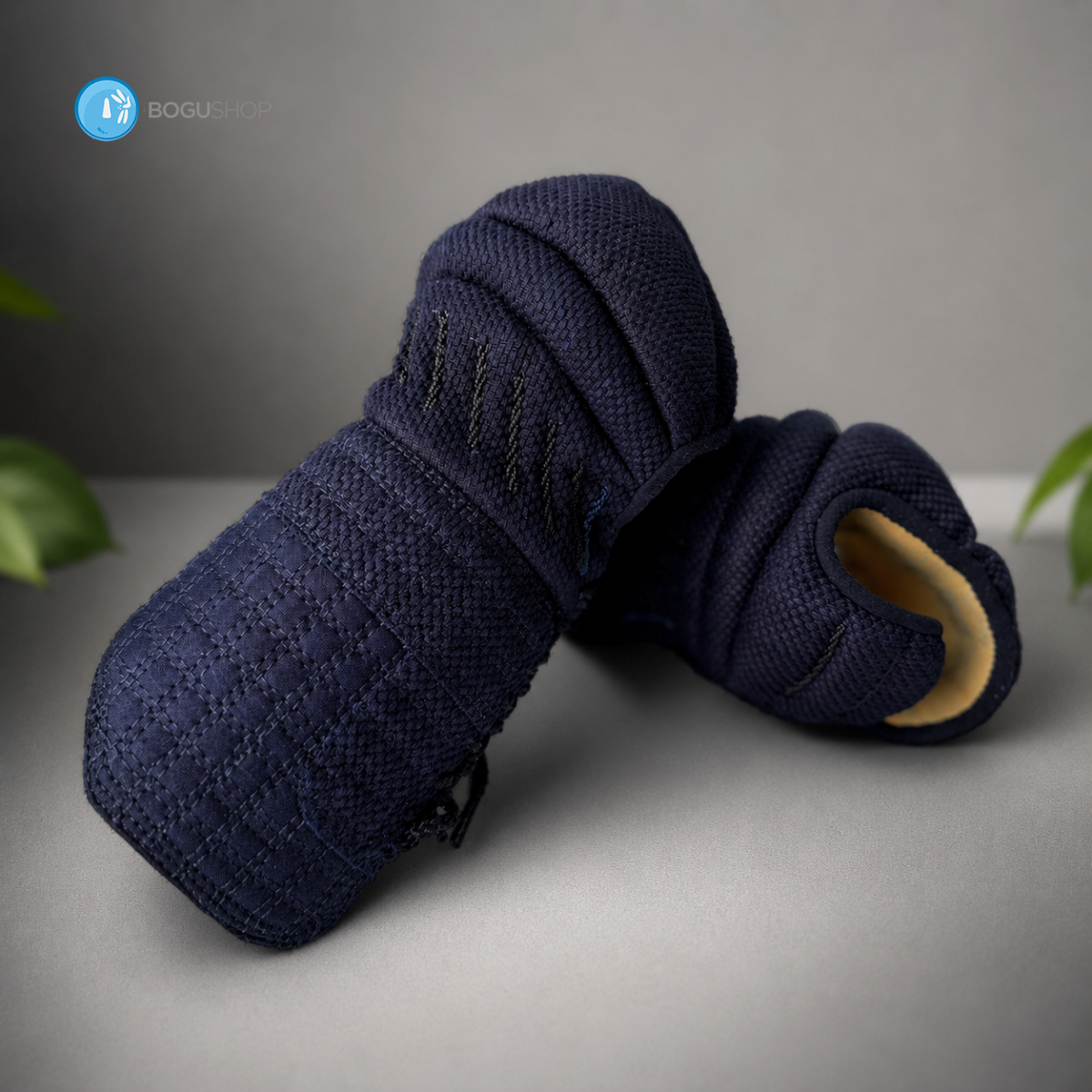
Kote
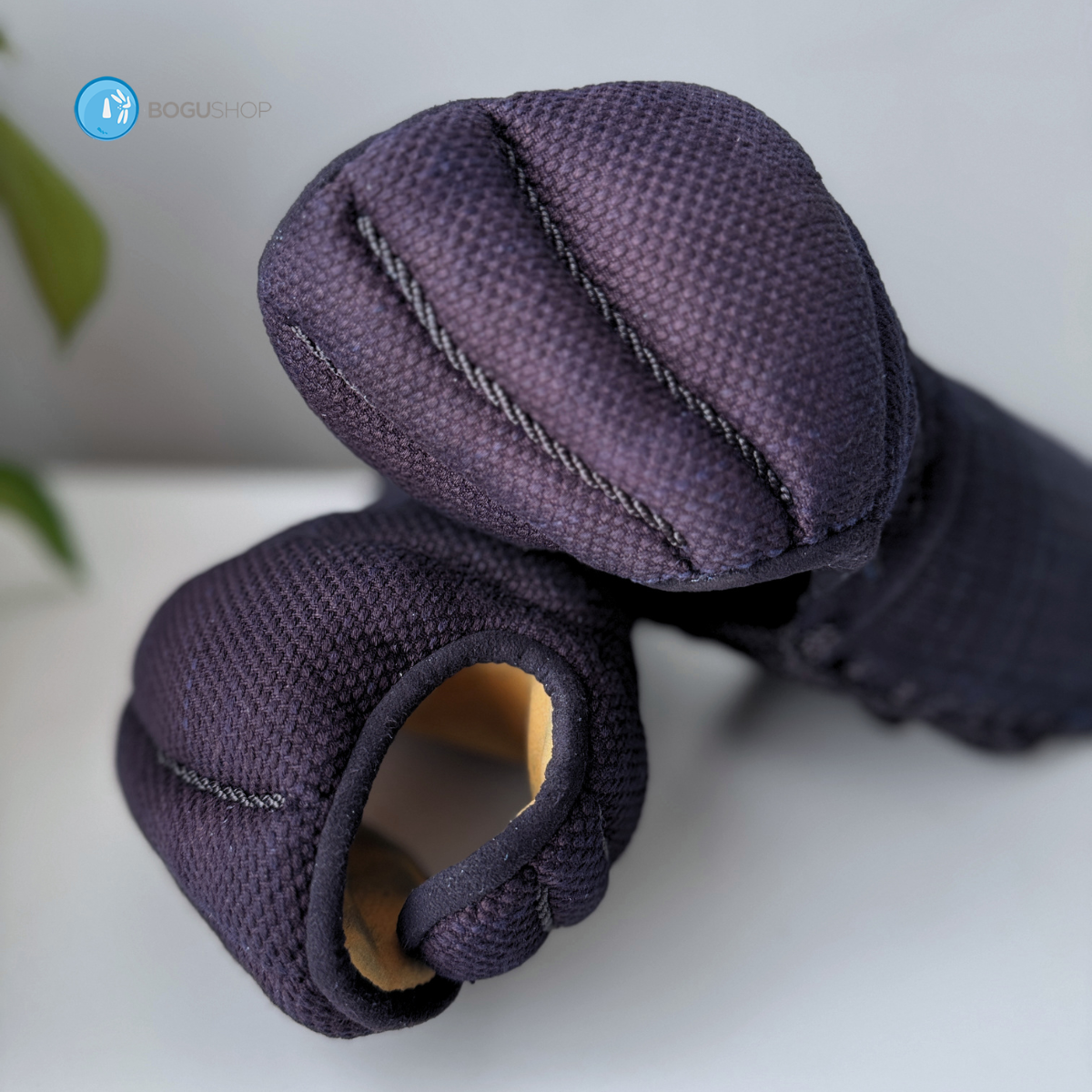
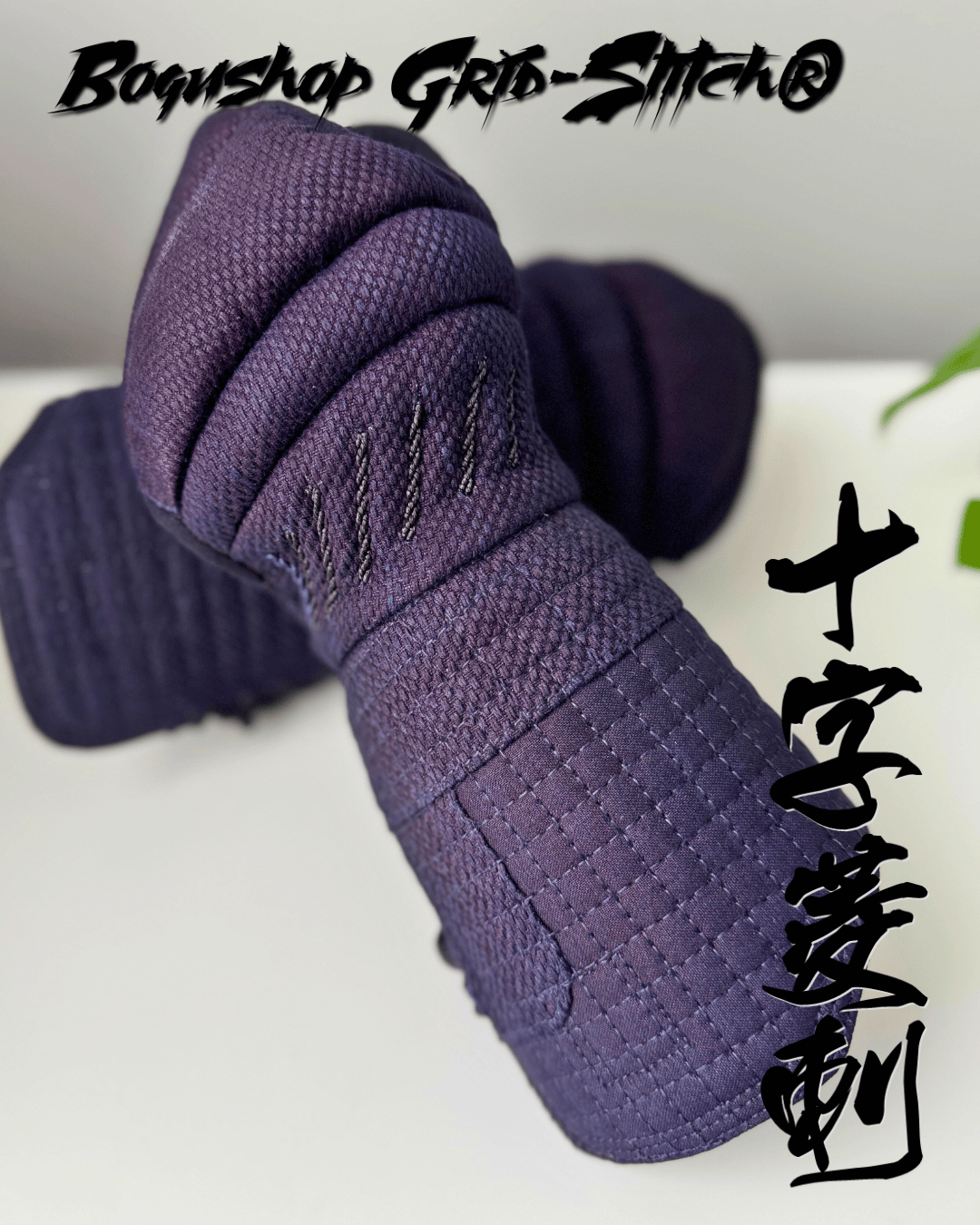
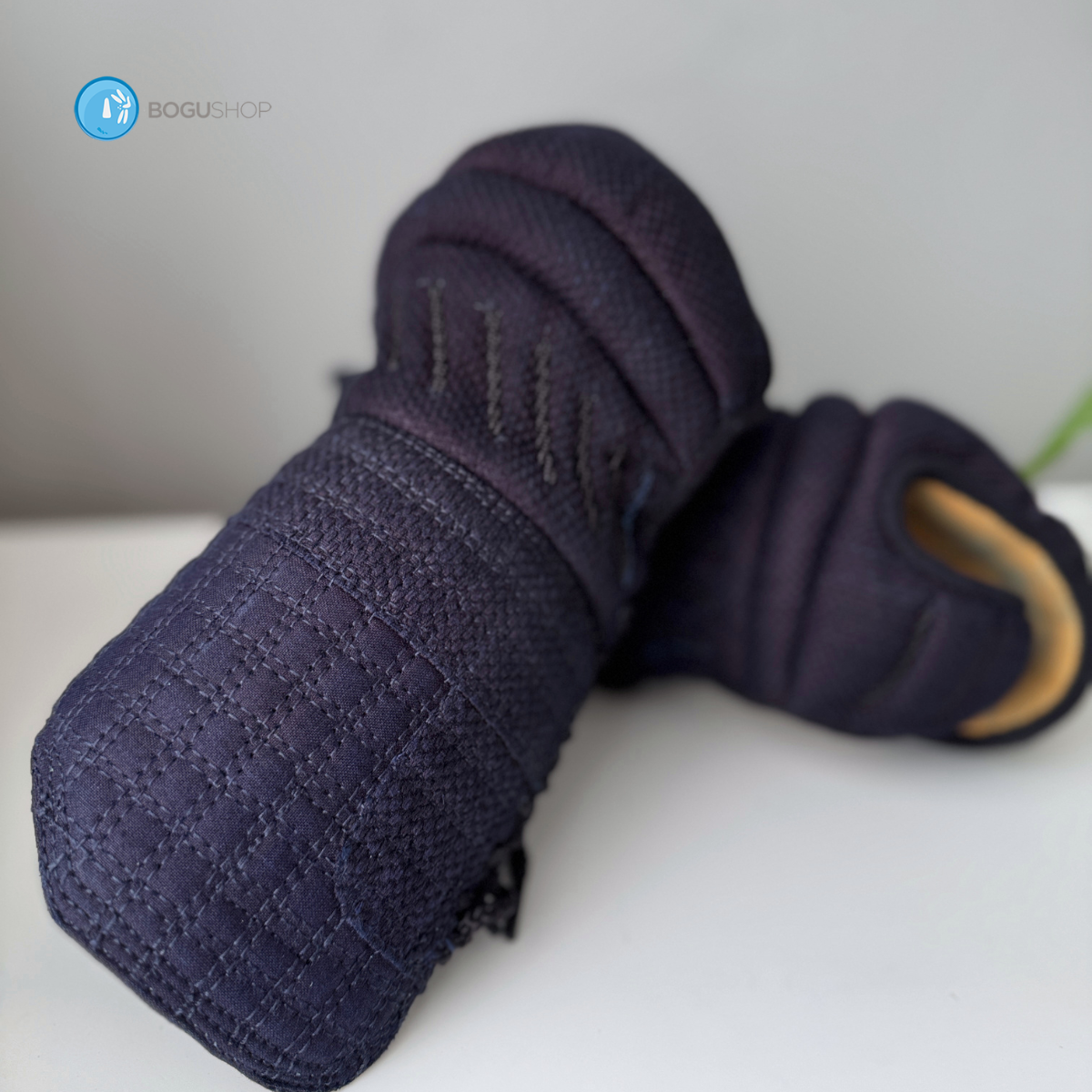
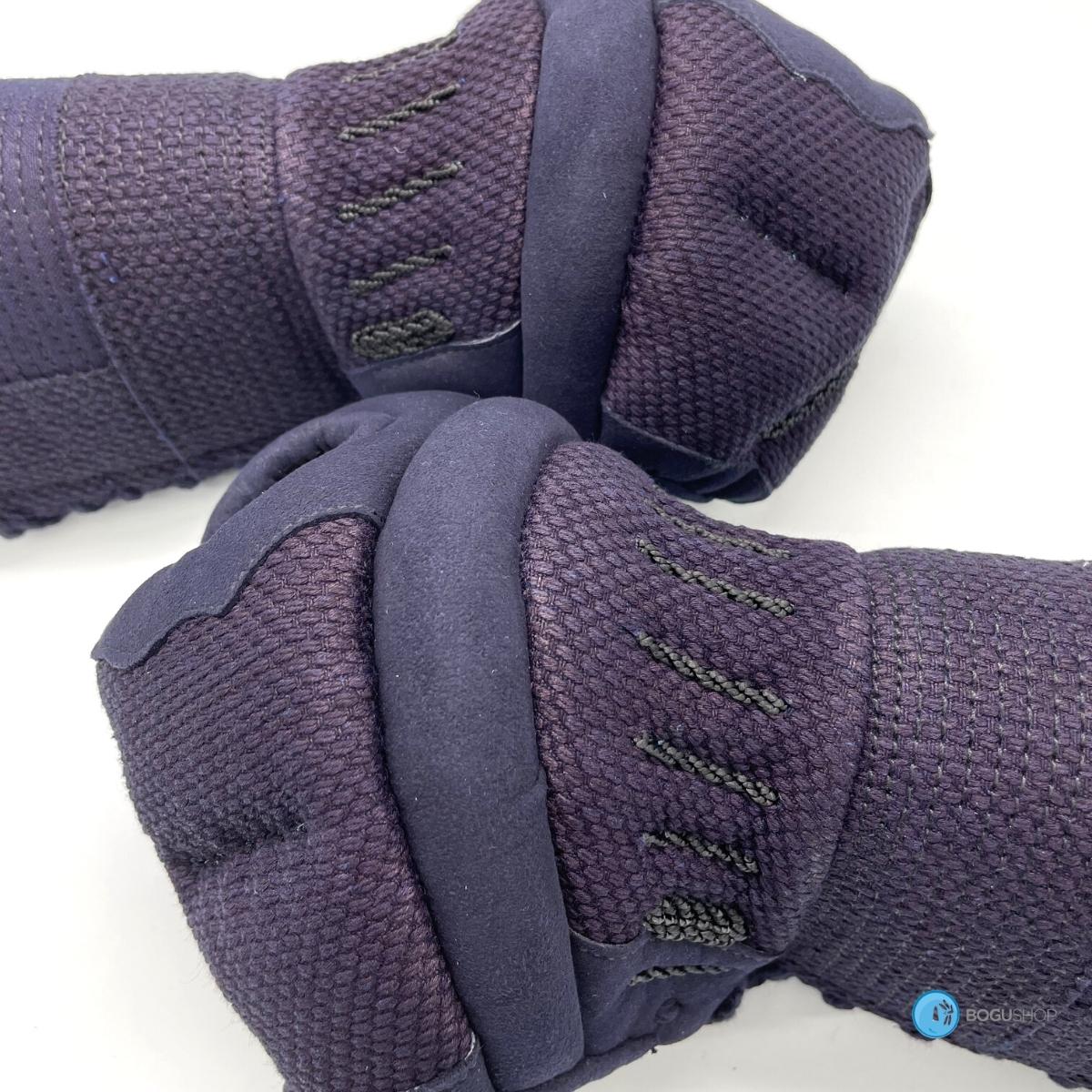
Kote must cushion strikes while allowing the hands to relax around the shinai. Palm fit and wrist articulation shape control.
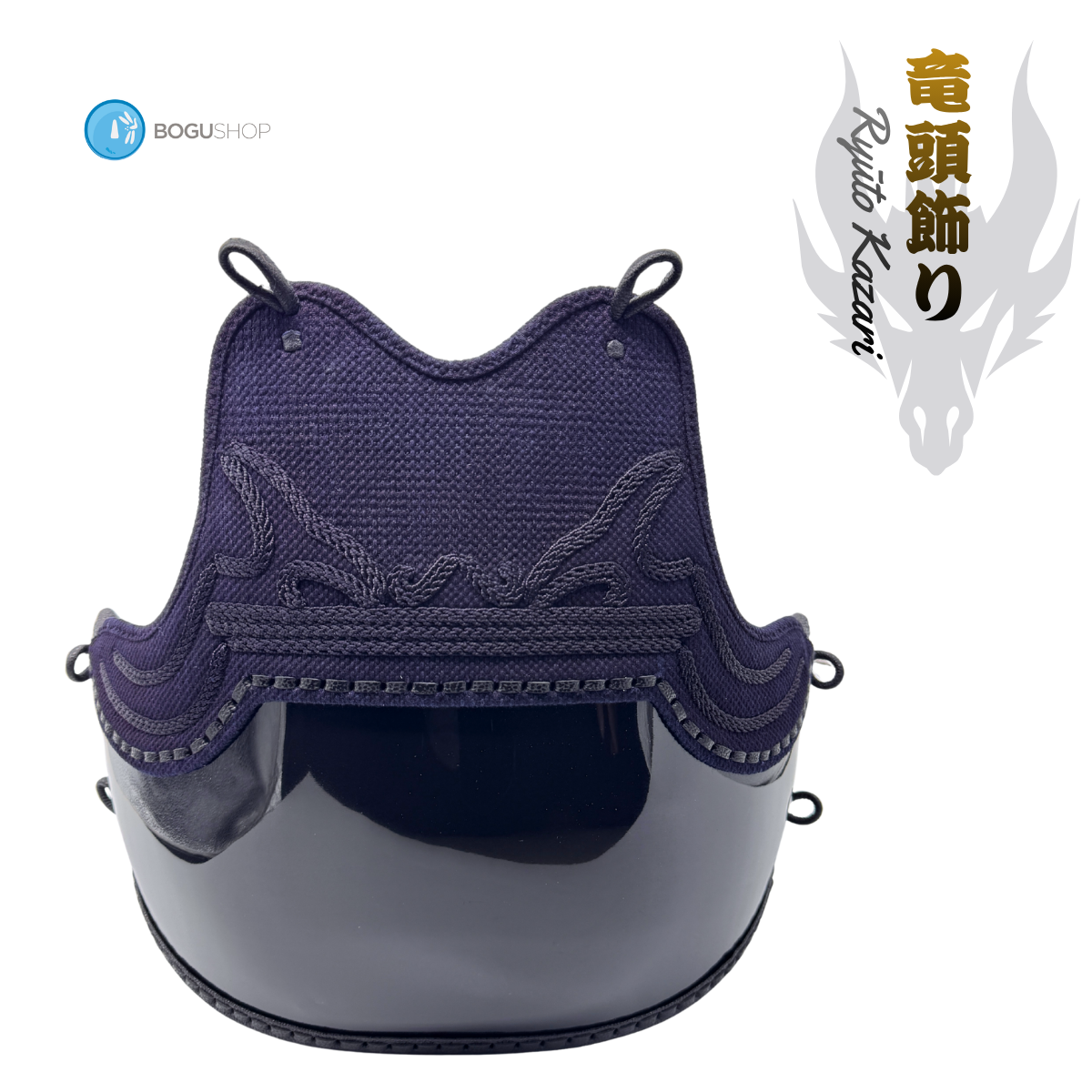
Do
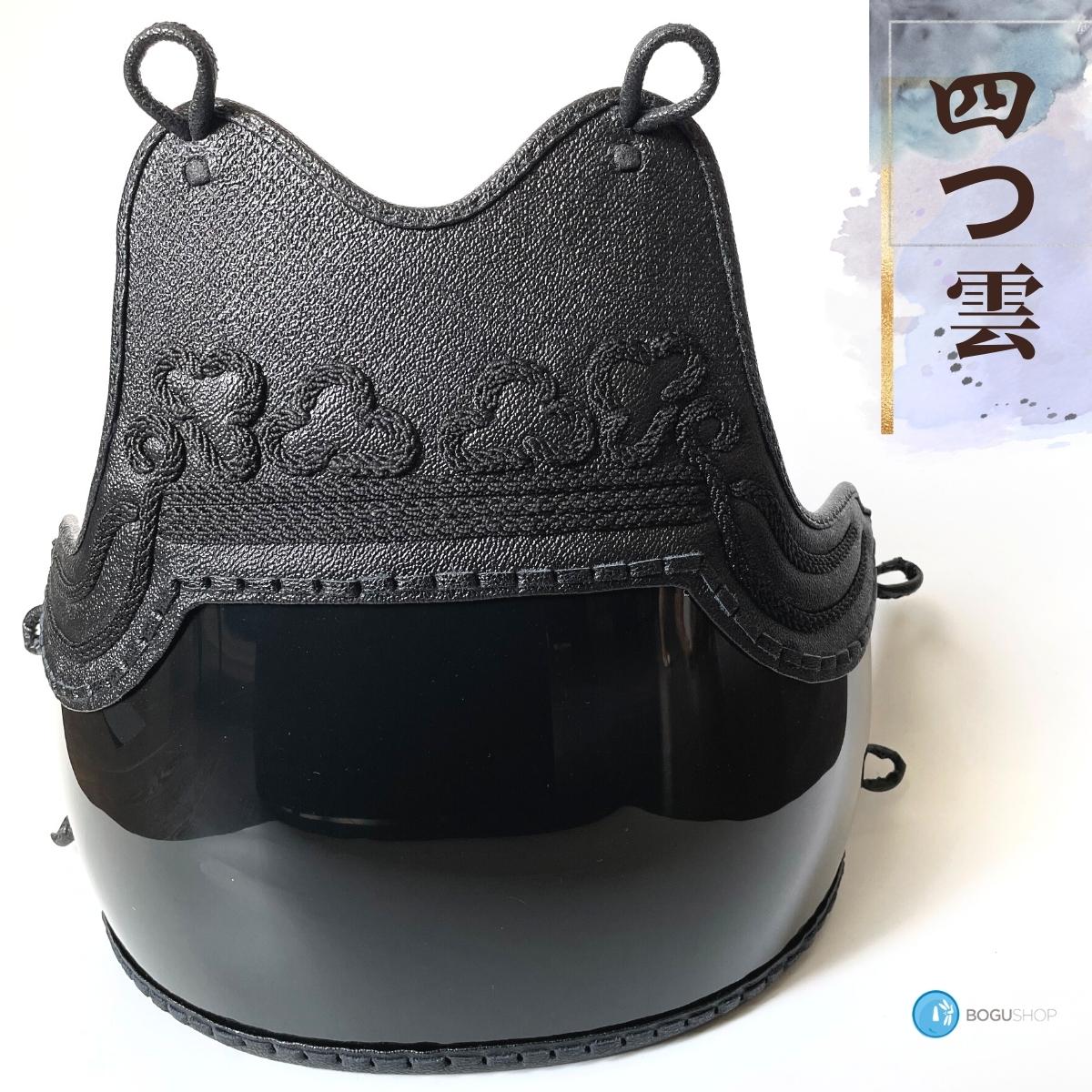
The Mune protects the upper chest while the rigid Do-dai covers the trunk. Shape and width matter more than decoration.
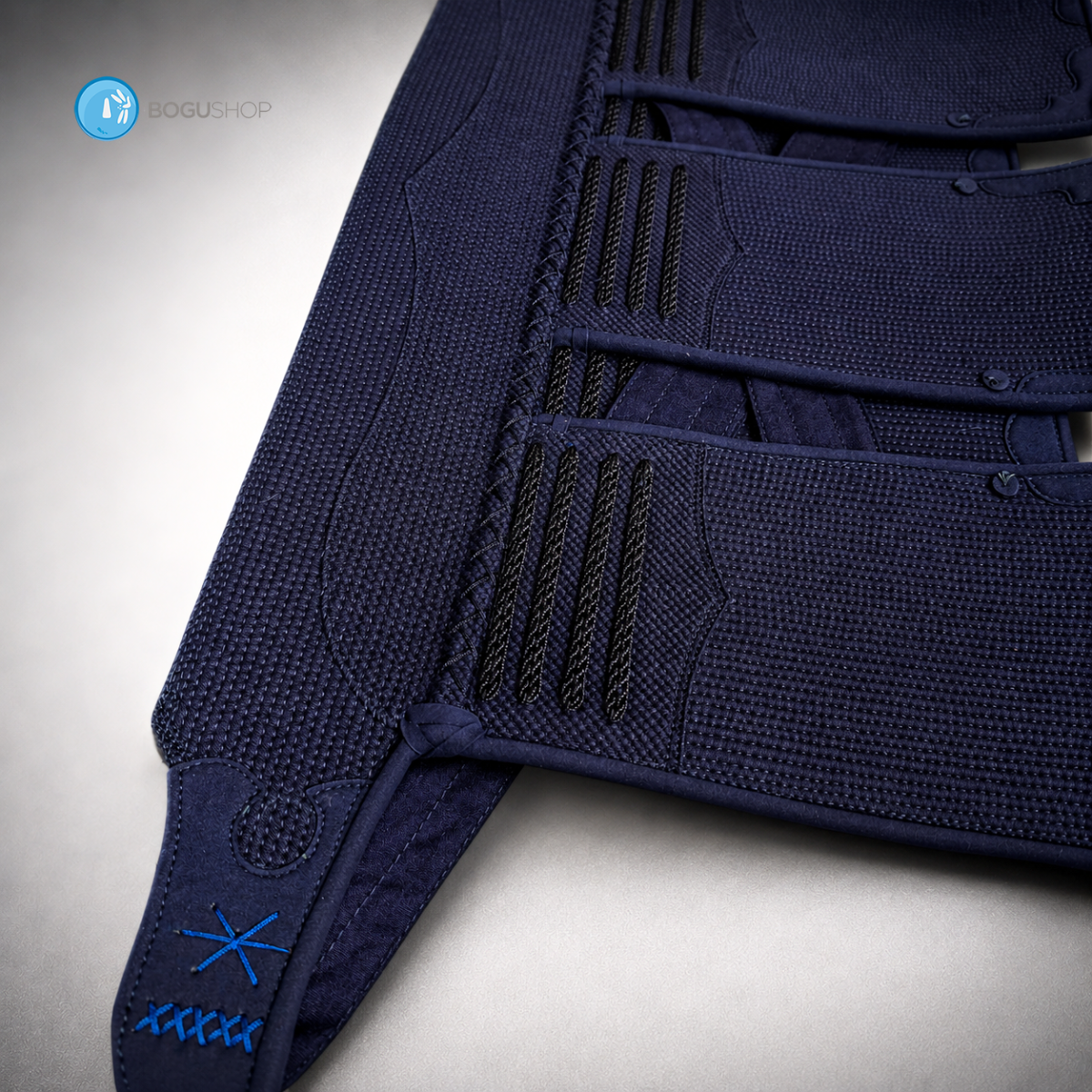
Tare
The wide belt and hanging flaps protect against incidental contact and support the zekken or nafuda identifying the kendoka.
How Bogu Construction Changes the Feel
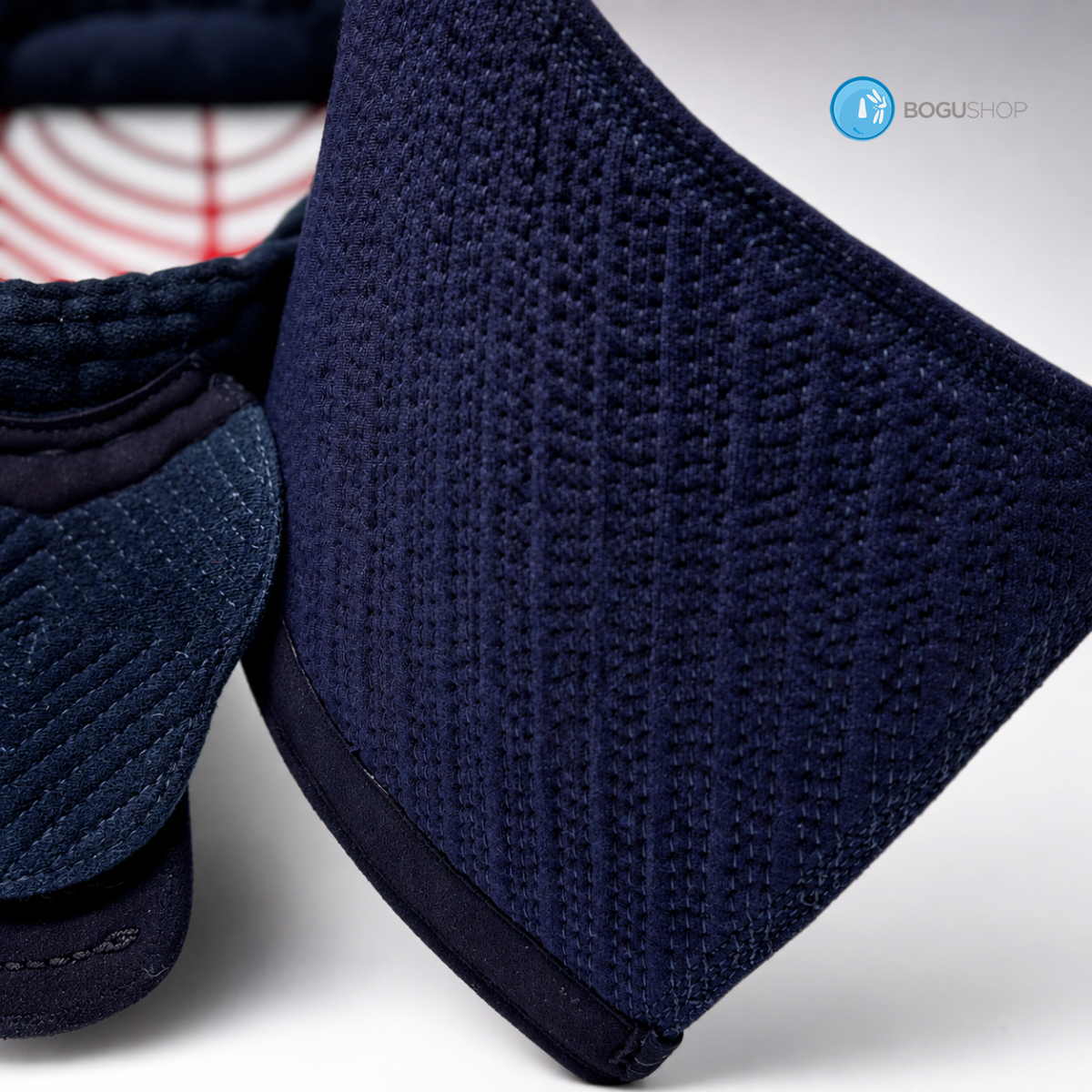
Stitch number alone cannot describe a piece of bogu. The padding core, stitch pattern, reinforcement, cover fabric, binding and shape all work together.
Machine Stitching
Machine-stitched futon is measured by the distance between rows, normally in millimetres.
- Consistent and widely available
- Supports a broad range from firm 2 mm to loftier 8–10 mm designs
- Usually more affordable and faster to replace
- A smaller millimetre number means closer rows, not automatically more protection
Hand Stitching / Tezashi
Hand stitching is normally measured in bu; 1 bu is approximately 3.03 mm.
- Individual point stitches can create a three-dimensional, flexible futon
- Labour-intensive construction and premium materials raise the price
- Often chosen for craftsmanship, fit, longevity and traditional character
- Tighter hand stitching is not automatically softer or more protective
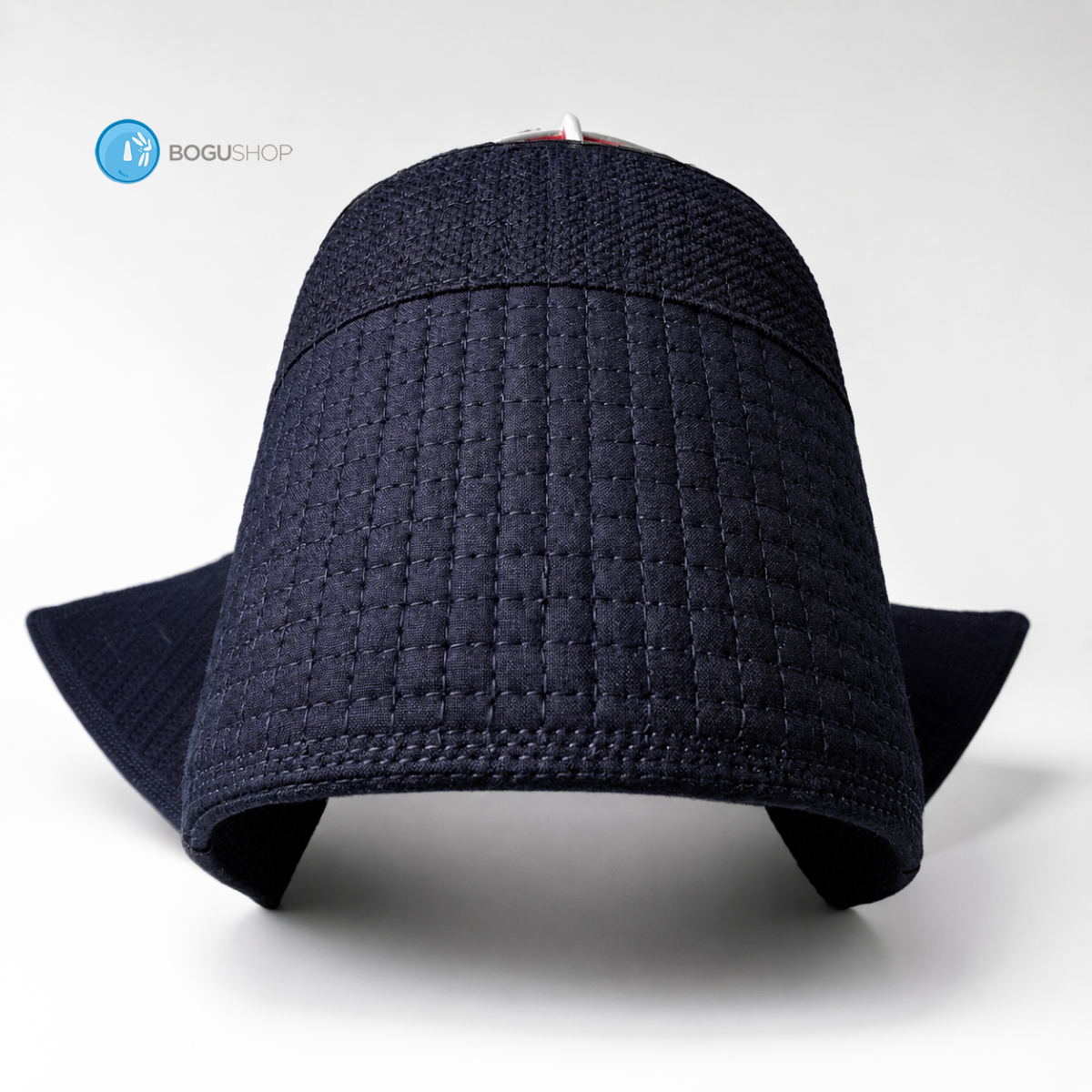
Horizontal, Diagonal and Grid Stitch
These terms describe the direction and geometry of the stitch channels.
- Horizontal stitching forms parallel padded channels
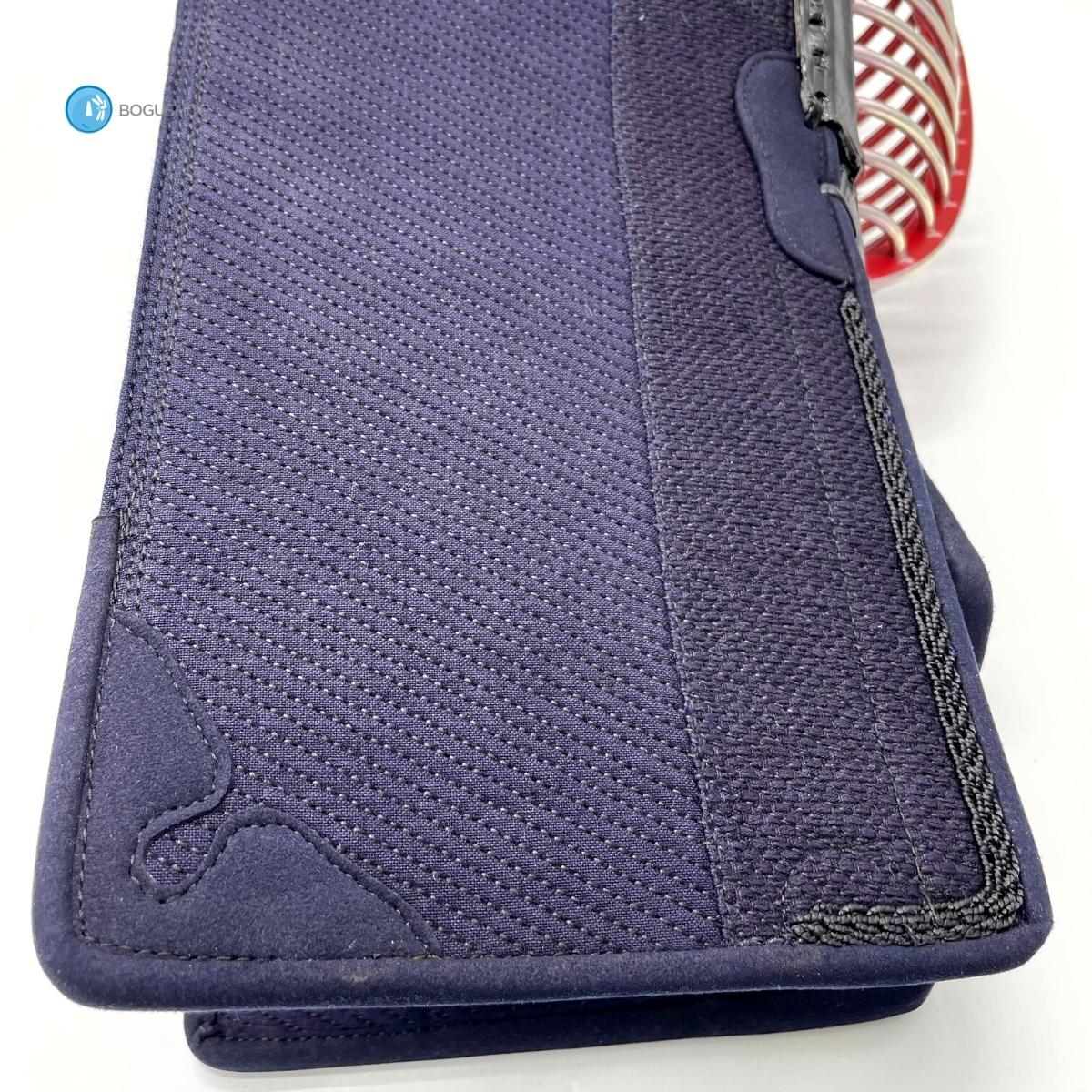
- Diagonal stitching on the Men-dare encourages the shoulder flaps to curve
- Grid stitching crosses channels to form individual raised cells
- No independent study cited here directly compares Grid-Stitch with horizontal stitching
Cover and Binding Materials
The surface material controls drying, abrasion resistance, weight and appearance.
- Orizashi: woven cotton, breathable and relatively light
- Clarino: consistent synthetic leather, easy-care and abrasion-resistant
- Deer leather: soft, conforming and traditional, with higher cost and care
- Fukuro-nui / no exposed binding: lighter edge finish; leather piping adds a sacrificial wear layer but also weight and firmness
Men: Fit and Top Padding Come First
The Men is the most fit-sensitive part of bogu. A premium grille cannot correct a loose jaw seat, poor eye alignment or insufficient padding over the crown.
Read the Men as a Complete Structure
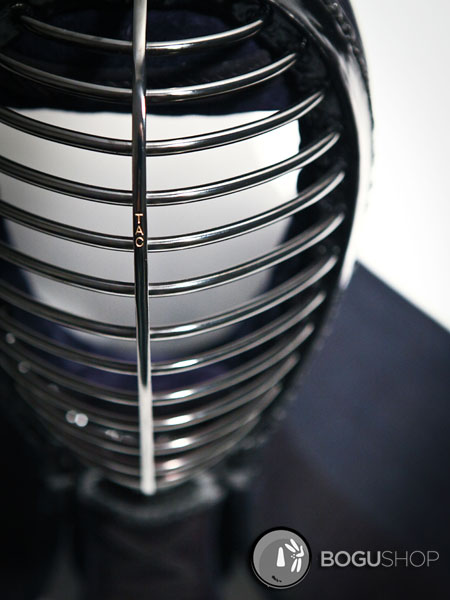
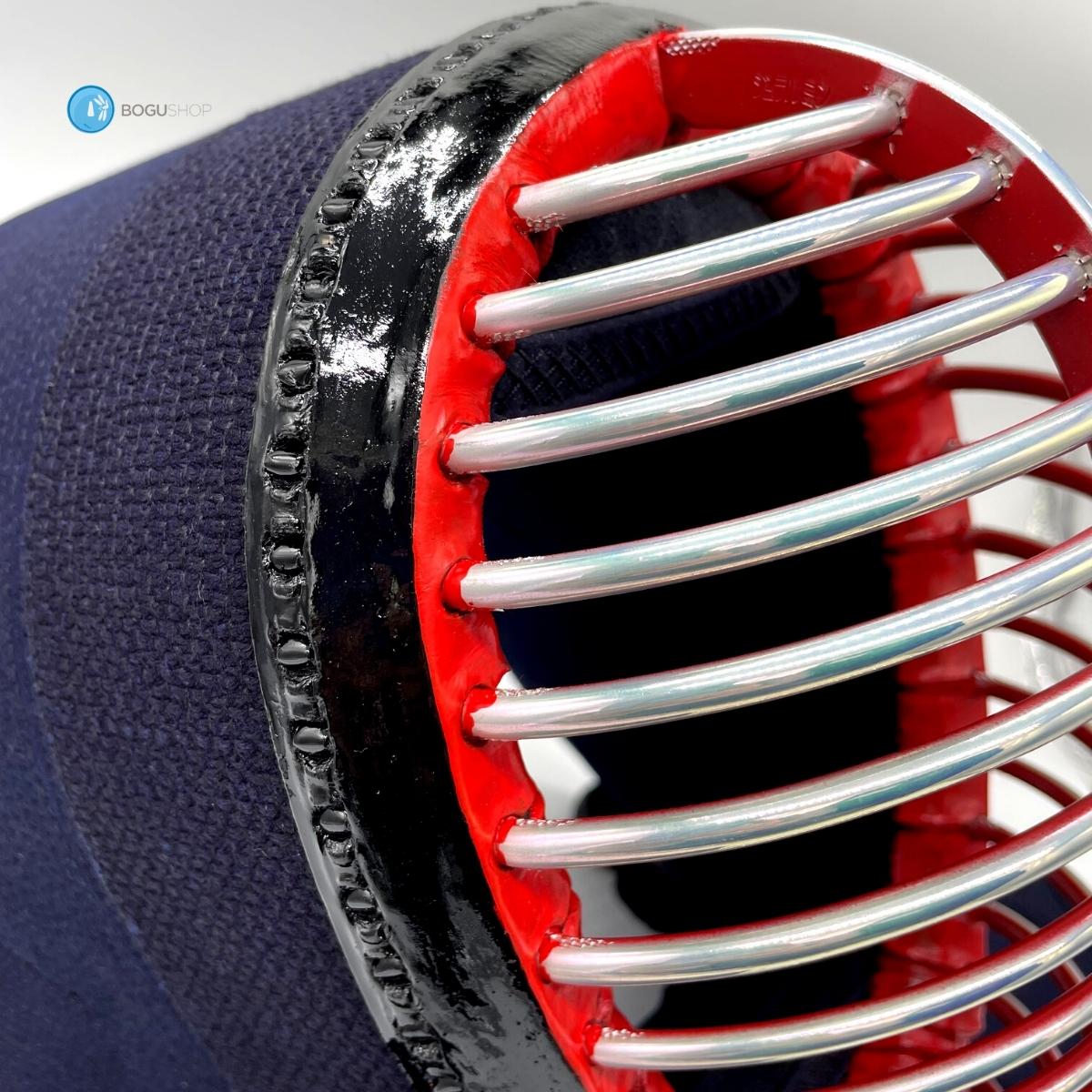
The metal grille carries and distributes frontal loads, while the padded futon cushions the top and extends over the shoulders. The uchiwa holds the face and jaw in the correct position.
Men-gane Materials and Balance
| Type | What it is | Why choose it | Trade-off |
|---|---|---|---|
| Duralumin / aluminium alloy | The mainstream lightweight metal grille. | Low overall weight, good value and reduced neck fatigue. | Usually less resistant to severe deformation than an all-titanium grille. |
| Titanium / Chitan | A stronger, generally heavier metal grille. | High strength and traditional premium specification. | Higher price and more forward mass unless balance is carefully managed. |
| IBB aluminium | “Ideal Best Balance” construction that redistributes mass rather than merely reducing it. | Can feel steadier and lighter in motion than a conventional grille of similar weight. | IBB is a product family, so construction varies by maker. |
| IBB titanium / TAC | Premium titanium or hybrid balanced designs; Bogushop’s TAC is a black titanium option. | Strength plus deliberate weight distribution and a distinctive finish. | Highest cost; black colour itself does not add protection. |
| Steel | Historical grille material rarely used in current retail bogu. | Relevant mainly when identifying older equipment. | Heavy and susceptible to corrosion; generally replaced by modern alloys. |
Antibacterial and “carbon” labels
Antibacterial may describe a coating on selected bars, the uchiwa fabric, or another interior treatment; it is not a separate structural grille metal. Likewise, “carbon” is sometimes used for a dark visual finish or product name. Confirm the underlying alloy and treatment instead of assuming the label changes impact performance.
Silver vs black grille
Primarily appearance and product construction. Compare the actual alloy, bar design and balance. A dark grille is not automatically lighter or stronger.
Red vs black Men-buchi
The inner frame is traditionally red; black creates a modern, subdued look. Some events publish appearance rules, so check before ordering a non-standard finish.
Long vs short Men-dare
Long flaps provide traditional coverage but add weight and can be harder to shape. Short flaps reduce bulk and curl more easily, but cover less shoulder area.
Fit checks before keeping a Men
Correct signs
- Chin sits fully in the jaw cup
- Forehead contacts the upper interior
- Mono-mi aligns with the eyes
- Men stays stable when the head turns
- No sharp pressure at temples or jaw
Warning signs
- Jaw slips out when speaking or shouting
- Eyes look through the wrong bars
- Grille can shift toward the face
- Large side-to-side movement
- Numbness, headache or concentrated pressure
Kote: Protection Must Still Let the Hands Relax
Kote that are too large, too stiff or poorly shaped encourage an unnecessary grip. Good Kote secure the hand while allowing the wrist and fingers to control the shinai naturally.
The Parts That Change Kote Feel
Palm Material: Clarino vs Deer Leather
Clarino / synthetic palm
- Consistent thickness and sizing
- Often economical and quick-drying
- Good practical choice for beginners and frequent keiko
- Less sensitive to natural hide variation
Deer leather palm
- Soft, tactile and conforming
- Can mould closely to the grip
- Higher price and more moisture care
- Natural thickness and feel vary by hide
A palm is a wear item. Thin material improves feel but can wear sooner; thicker material may last longer but feel less direct. Repairability and access to replacement palms matter more than prestige alone.
Stuffing and fist flexibility
Traditional premium Kote often use deer hair, while many practical sets use cotton or synthetic padding. Deer hair can be shaped and redistributed by skilled construction; cotton is economical and predictable. There is no independent evidence cited here proving that one stuffing is always more protective. Judge the finished loft, coverage and fit.
Flexible fist
A pre-curved, articulated fist reduces break-in time and helps the fingers close without squeezing. Excess softness should not leave the knuckles under-padded.
Single vs double Kera
Extra articulation sections can improve wrist movement and create a premium structure, but quality of shape and sewing matters more than the count alone.
Orizashi vs leather cover
Orizashi is light and breathable. Leather resists rubbing and gives a formal look. Hybrid construction places reinforcement only where wear is highest.
Kote fit checks
- Fingertips should reach the end without being crushed or floating in excess space.
- The thumb must settle naturally rather than being forced straight or outward.
- The wrist joint should bend without the tsutsu cutting into the hand.
- The Kote should stay on during suburi without gripping harder to retain it.
- The strike area needs visible loft; compacted or displaced filling should be repaired.
Do: The Mune, Do-dai and Finish
A Do combines a softer upper chest panel with a rigid body shell. Its width, height and freedom around the shoulders affect kamae more than elaborate decoration does.
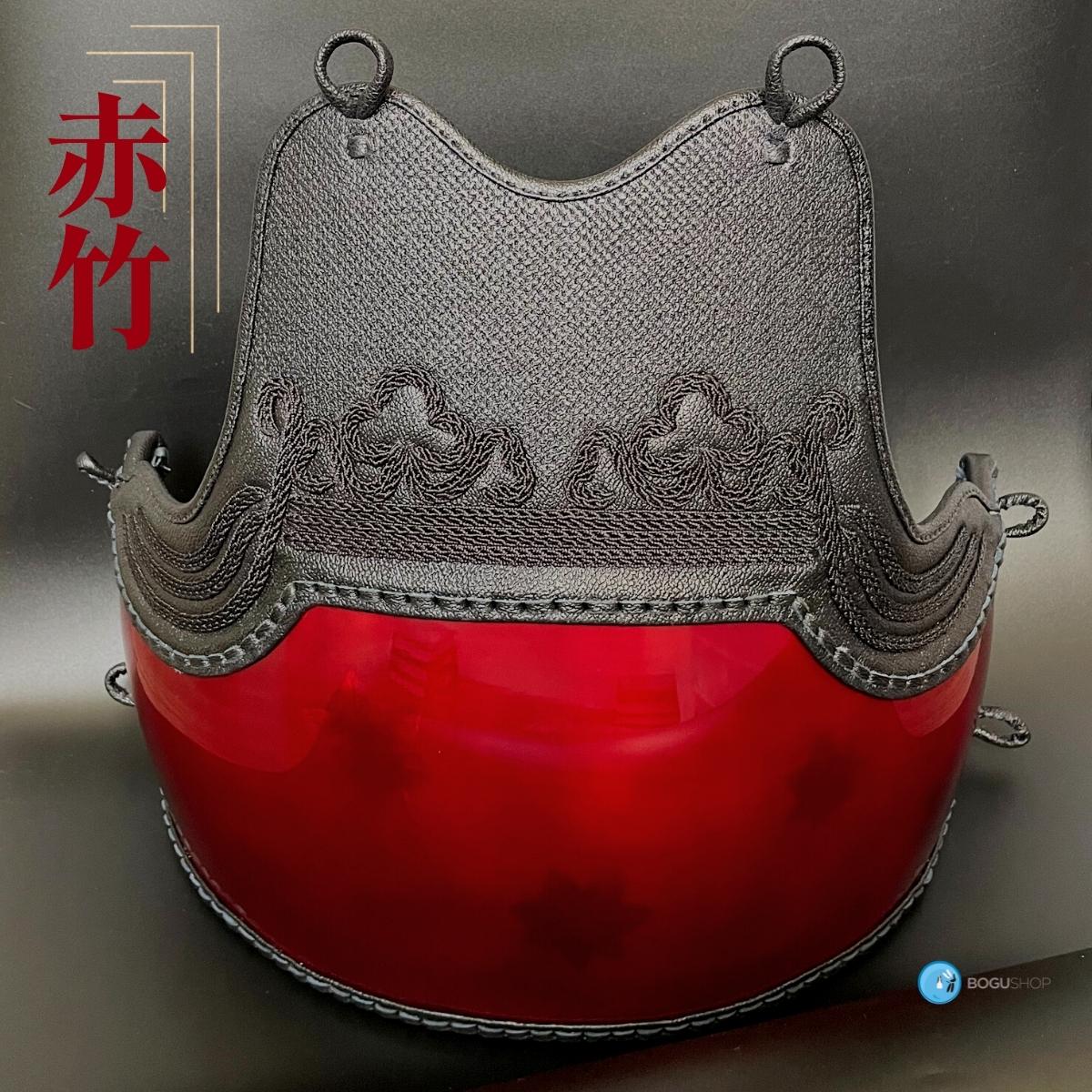
A Rigid Shell with a Flexible Upper Section
The Do should sit securely without pressing into the throat, lifting the shoulders or swinging during footwork.
Choosing the Do-dai Core
| Construction | What it is | Advantages | Trade-offs |
|---|---|---|---|
| Molded synthetic / Yamato | A formed resin or plastic-style shell; the most common modern construction. | Light, consistent, economical and low-maintenance; available in many colours. | Less traditional character; severe cracks are usually harder to repair invisibly. |
| Imitation bamboo / slatted synthetic | Multiple molded slats arranged to resemble bamboo construction. | Traditional segmented appearance with predictable material and moderate cost. | Weight and flexibility vary by maker; the slatted look does not make it real bamboo. |
| Real bamboo | Bamboo slats joined into a shell and finished by hand. | Traditional feel, rich finish and greater scope for individual finishing or repair. | Usually heavier and more expensive; needs careful drying, transport and inspection. |
| Composite labels | Some makers offer fibreglass, carbon-look or other composite shells. | Can combine low weight with stiffness or a distinctive finish. | Names are not standardized. Confirm the actual core material rather than judging by the colour or product name. |
Choosing the Mune Material
Kurozan and Genuine Leather
Kurozan is textured leather hardened and lacquered for an especially durable, formal surface. Cowhide and other genuine leathers also resist rubbing well, though they add cost and some weight.
Orizashi
Woven cotton makes a light, breathable Mune with a modern athletic look. It is comfortable and weight-efficient, but repeated rubbing generally marks fabric sooner than a good leather surface.
Synthetic Leather
A consistent, economical, easy-care option. Quality varies, and aged synthetic coatings can eventually peel or crack rather than developing the patina of leather.
What “Kiji-do” Means
A kiji-do is a bamboo Do-dai whose natural wood character remains visible under a clear or lightly coloured finish. The term describes the bamboo surface treatment; it does not mean that the outside is covered with cow leather.
Mune and Do-dai Patterns
Clouds, waves, geometric forms and family-inspired motifs can be stitched into the Mune or applied to the Do-dai. Raised hand work can give the pattern more depth, while machine stitching is flatter and more uniform. These choices mainly affect appearance, labour and price. First choose the correct width, height, attachment position and freedom of movement.
Fit checks
- Top edge does not press into the throat in kamae
- Arms can raise freely without the shoulders hitting the Mune
- Shell covers the torso without excessive overlap or side gaps
- Do stays centred when stepping and turning
Inspect before practice
- Cracks, sharp edges or separating bamboo slats
- Loose chichikawa or worn himo
- Split binding around the shell
- Loose decorative stitching that may catch

Tare: Secure Fit without Restricting the Hips
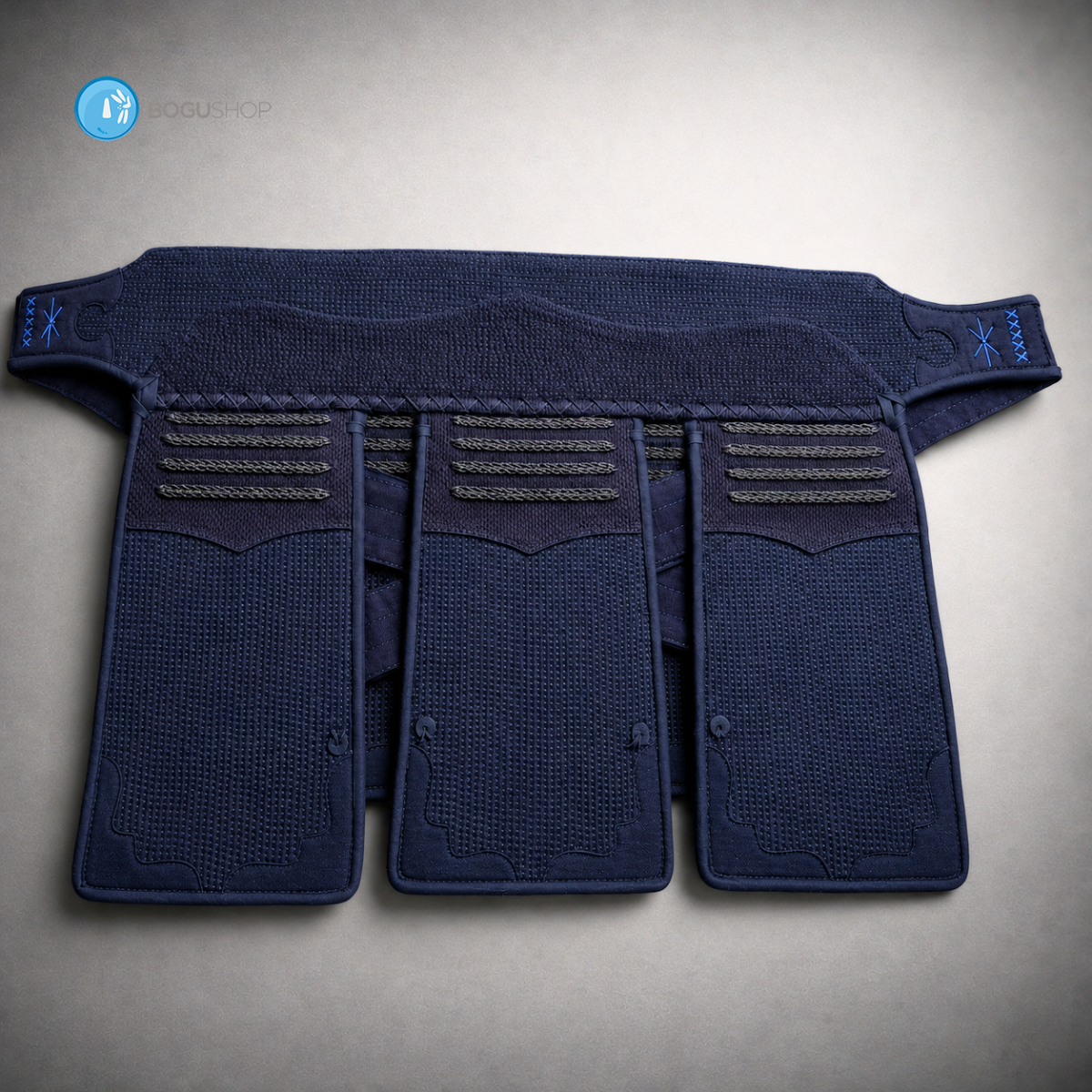
The Tare protects the waist, groin and upper thighs from incidental contact. Good shaping lets it wrap the body without slipping, bunching or blocking footwork.
One Belt, Five Hanging Flaps
The centre large flap carries the zekken or nafuda. The construction should distribute pressure across the waist while the flaps move independently.
Stitching, Decoration and Materials
Stitch Density
Closer stitching creates a compact, crisp futon; wider rows preserve more loft and flexibility. The Tare is not normally a direct scoring target, so comfort, shaping and durability deserve more weight than a single millimetre number.
Kazari Lines
More decorative lines require more work and can reinforce the surface, but line count alone does not prove better protection. Choose the look and level of craftsmanship you value.
Raised or Flat Detail
Hand-sewn, padded kazari can stand proud of the surface for a sculpted effect. Machine work is generally flatter, regular and economical. Both can be well made.
Orizashi
Reduces weight and dries relatively well. It suits frequent practice, but high-rub edges still benefit from reinforcement and regular inspection.
Clarino Binding
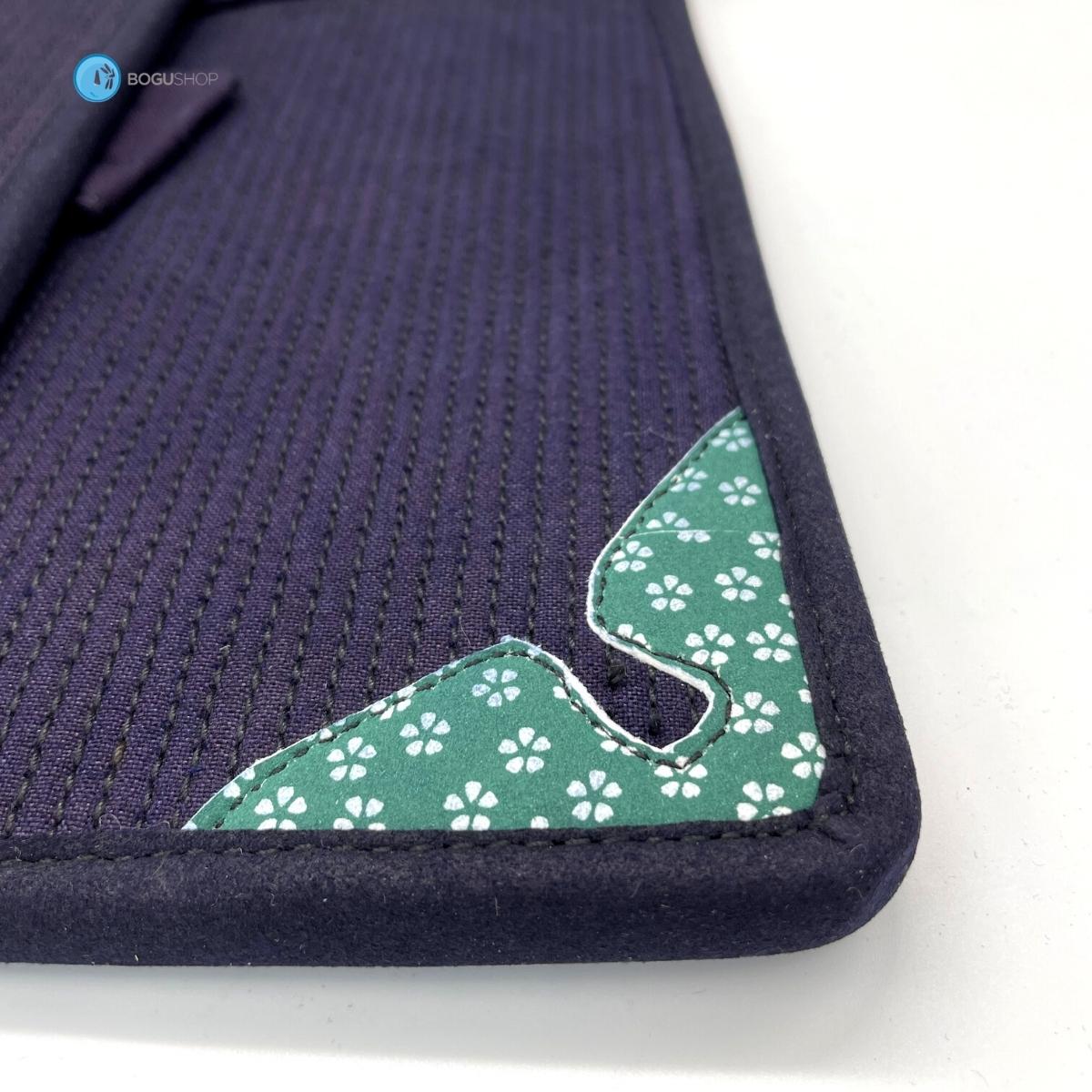
Provides consistent abrasion resistance with straightforward care and moderate cost. It may feel firmer than textile-only construction.
Deer Leather Binding
Soft, traditional and able to conform with use. It costs more and should be dried slowly away from direct heat.
Fit checks
- Obi wraps firmly without restricting breathing
- Centre odare stays centred while moving
- Flaps overlap correctly without catching the legs
- Himo are long enough to tie securely without excessive bulk
Common buying mistake
- Choosing by decorative line count alone
- Assuming tighter stitching always means more protection
- Ignoring waist width and flap proportions
- Adding a zekken so tight that it distorts the centre flap

How to Choose a Complete Bogu Set
A balanced set fits your body, training frequency, climate and priorities. Price often buys materials, labour and customization; it does not replace fit.
| Typical construction | Best suited to | What you gain | What to consider |
|---|---|---|---|
| 4–6 mm Orizashi / Clarino | First set and regular practice | Good value, moderate weight, easy care and broad availability. | Fit and actual padding composition still vary by model. |
| 8–10 mm lofted or grid top | Frequent practice and comfort-focused use | More room for loft and deformation over impact zones. | Can look bulkier; confirm Men balance and Kote dexterity. |
| 2–3 mm compact machine stitch | Traditional crisp appearance and premium materials | Dense, defined shape and often elaborate reinforcement. | May feel firmer and heavier; tight stitching alone does not prove superior protection. |
| Tezashi / hand stitched | Craftsmanship, customization and traditional character | Individual point stitching, shaping options and high-grade finishing. | Higher cost and lead time; evaluate the whole design rather than the bu count. |
| Extra-light competition set | Experienced players seeking mobility for shiai | Lower mass and quick movement. | Some models deliberately reduce material; discuss repeated-practice use with your instructor. |
Your First Set
Prioritize forgiving fit, practical materials, repair support and enough protection for regular keiko. Ask your instructor to confirm the size.
Frequent Practice
Choose loft over target areas, durable palms and bindings, and materials that dry reliably. A second pair of Kote makes rotation easier.
Competition
Balance low weight and compact movement against the amount of padding you need. Keep adequate practice bogu for high-volume training.
Hot or Humid Climate
Orizashi surfaces, removable inserts and simple interiors can help drying. Ventilation and care matter more than marketing labels.
Traditional Craft
Tezashi, deer leather, Kurozan and bamboo reward buyers who value handwork, patina and customization and will maintain them carefully.
Young or Growing Kendoka
Do not oversize the Men for future growth. Safe current fit comes first; choose adjustable, replaceable pieces with instructor guidance.
A Practical Bogu Fit Checklist
Check the complete set in kamae, sonkyo and basic footwork. A static measurement is only the starting point.
Men
- Chin and forehead are seated in the uchiwa
- Eyes align safely with the grille
- Head does not lift or rotate independently inside
- Men-dare do not block shoulder movement
Kote
- Fingers reach their natural position without bunching
- Thumb is not twisted or compressed
- Wrist bends without a gap over the strike area
- Grip relaxes without excess palm material folding
Do
- Upper edge clears the throat and shoulders
- Shell covers the torso and remains centred
- Himo secure it without lifting or swinging
- Arms move freely through full cutting motion
Tare
- Obi sits firmly around the waist
- Centre flap remains centred
- Odare move without catching the thighs
- Knots and himo do not create painful pressure points
Care, Inspection and Replacement
Sweat and trapped moisture shorten the life of textiles, leather, metal fittings and bamboo. Make drying part of every practice.
After every keiko
- Remove the set from the bag promptly
- Open the Men and Kote fully in moving air
- Wipe sweat from the Men interior, grille and Do
- Dry naturally away from heaters and strong direct sun
- Reshape the Kote and Men-dare while damp, without crushing them
- Rotate Kote when training often
Inspect regularly
- Loose or damaged grille bars, uchiwa and tsuki-dare
- Thin Kote palms, displaced stuffing and opened seams
- Cracks, sharp edges, loose slats, chichikawa and himo on the Do
- Torn Tare ties, bindings and decorative stitching
- Persistent odour, mould or hardened padding that proper cleaning cannot correct
Choose Bogu with the Whole System in Mind
Compare complete sets, individual components and sizing help, or contact Bogushop for fit advice.
Sources and further reading
- Striking Differences in Kendo Headgear: A Content Analysis of the Men — laboratory comparison of commercial Men and removable pads.
- All United States Kendo Federation: Bogu — basic component and construction terminology.


